
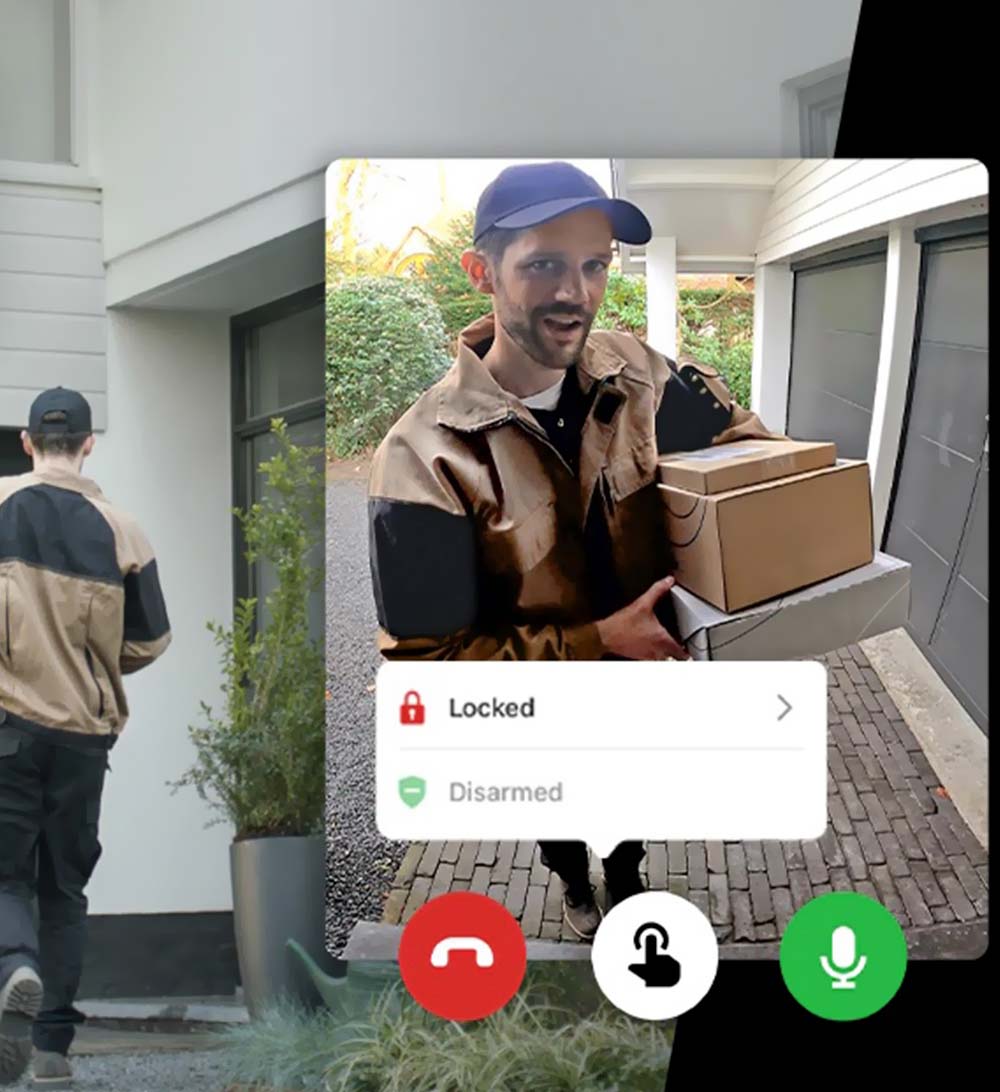
In today’s world, keeping your home safe is more important than ever. Video doorbells play an important role in modern home security by providing real-time monitoring and communication with visitors. These devices allow homeowners to see, hear, and speak to anyone at their door, even when they are not at home. This enhances the sense of safety and control over who has access to one’s home.
Video doorbells are easy to install and offer features like motion detection, night vision, and cloud storage of recorded video clips. They can deter potential intruders, as the presence of a camera might discourage unwanted visitors from approaching. Additionally, these devices provide peace of mind by allowing homeowners to check in on their property anytime, from anywhere, using a smartphone or tablet.
The growing technology in video doorbells also brings privacy and legal considerations. It is essential to choose the right model that fits individual needs and complies with new Australian security and privacy laws. Understanding the benefits and features of video doorbells helps in making an informed decision to enhance home security.
Key Takeaways
- Video doorbells offer real-time visitor monitoring.
- They are easy to install with various safety features.
- It is important to consider privacy and legal aspects.
Contents
Evolution of Home Security
Home security has changed a lot over the years. Early systems relied mainly on mechanical locks and simple alarms. These alarms were often set off by doors or windows opening.
In recent years, smart home technology has taken centre stage. Devices like video doorbells allow people to see and speak with visitors using their smartphones. This technology is part of the larger trend towards Internet-of-Things IoT devices.
The introduction of AI and machine learning provides more reliable, efficent and easy-to-use security solutions. These systems can analyse patterns and detect unusual activity. This advancement helps in preventing false alarms and enhancing real-time alerts.
People today have many options for home security. From basic alarms to advanced smart systems, the evolution continues with technology driving new innovations.
Fundamentals of Video Doorbells
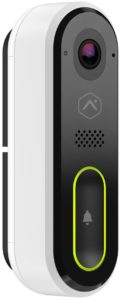
Video doorbells combine a doorbell with a video surveillance camera. When someone approaches the door or presses the doorbell button, the device records video.
Many video doorbells can be retrofitted to existing hard-wired doorbells and connect to Wi-Fi networks. This allows homeowners to see live footage on their smartphones or tablets. It provides real-time updates and notifications.
Key Features:
- Two-way audio: Lets people speak to visitors remotely.
- Motion detection: Sends alerts when movement is detected.
- Night vision: Captures clear images at night.
- Cloud storage: Stored video clips securely on a server for review at a later date.
Installation is often simple. Many devices work with existing doorbell wiring. Some models are battery-powered for easy setup.
Video doorbells promote safety by deterring unwanted visitors. Their presence alone can be a strong deterrent. Homeowners appreciate the convenience and added peace of mind.
Considerations:
- Price: Features, quality, and brand can affect cost.
- Compatibility: It’s important to ensure the device works with current smart home systems.
- Subscription costs: Some services charge for video storage and extra features.
Different brands offer a variety of functions to meet diverse needs. From recording modes to integration with other smart home devices, these tools are essential for modern security.
Key Features of Video Doorbells
Video doorbells are reshaping home security. High-definition video offers clear images; motion detection alerts homeowners to activity. Two-way audio enables communication, while night vision captures footage in low light. Remote access and notifications allow for mobile monitoring. Smart home integration provides a seamless experience.
High-Definition Video
High-definition video in doorbells allows homeowners to see who is at the door with clarity. These cameras normally provide 1080p resolution or higher. This ensures crisp pictures and clear videos. This is important when identifying visitors or monitoring unusual activities.
Some models offer wide-angle lenses. They cover more area to ensure fewer blind spots. A clearer view contributes to better security. It allows users to notice minute details, like unfamiliar faces or vehicles nearby. HD video enhances the reliability of video doorbells.
Motion Detection
Motion detection is vital in video doorbells. The best video doorbells use smart AI video analytics to identify movement within a defined area. This feature reduces false alerts. Homeowners are notified only when there is significant activity.
Sensitivity settings are adjustable in many doorbells. Users can set preferences based on location or traffic. The best video doorbells differentiate between people, animals, and vehicles. This specificity adds a layer of personalised security. False alarms are minimised, enhancing the system’s effectiveness.
Two-Way Audio
Two-way audio lets homeowners speak to visitors remotely. It acts like an intercom system. The microphone and speaker in video doorbells facilitate this communication. Homeowners can instruct delivery personnel or warn off suspicious individuals. For example “please leave the package next to the front door” or “sorry I’m not interested today, thank you”.
This feature is also helpful when users are away. Conversations can deter potential intruders. It also simulates presence, creating the illusion someone is at home. Two-way audio enhances interactive home security, providing peace of mind.
Night Vision
Night vision technology is essential for 24/7 surveillance. Infrared LEDs or other sensors allow video doorbells to capture clear images in low light. This feature ensures coverage doesn’t stop when it gets dark, maintaining consistent security.
The range of night vision varies across models. Some can cover several metres, allowing users to see farther from their doorstep. The quality also stays high, allowing identification during night-time or early morning. Night vision is crucial for complete surveillance.
Remote Access and Notifications
Remote access enables users to monitor their doorsteps from anywhere. With an internet connection, homeowners can view live feeds through apps on mobile devices or computers. This feature allows real-time surveillance.
Notifications enhance this by alerting users to activity. Alerts can be customised, ensuring timely responses. The combination of remote access and notifications provides a sense of security, especially when away from home. The convenience is a significant benefit for today’s lifestyle.
Integration with Smart Home Systems
Integration with smart home systems elevates video doorbells’ utility. Linking them with other devices like smart locks and lights enhances a home’s security. Users can automate lighting or unlock doors through a single app. For example, setup a rule to turn on the upstairs light for 30 seconds when someone presses the doorbell at night.
Benefits of Video Doorbells in Home Security
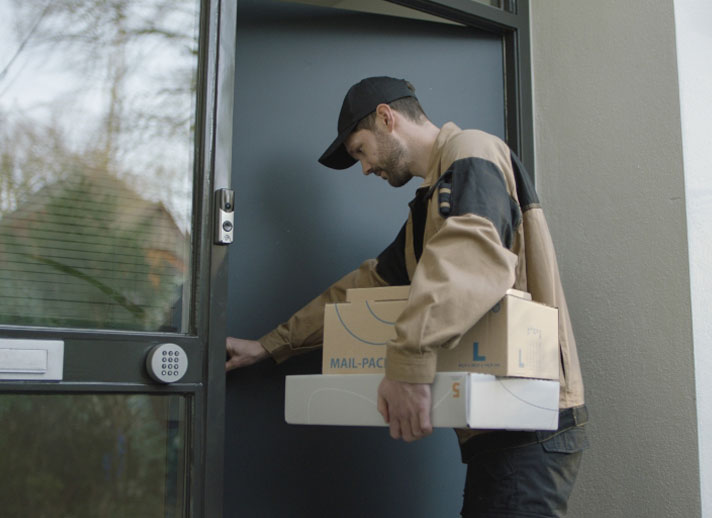
Video doorbells provide important enhancements to home security by deterring intruders, collecting evidence, and offering real-time monitoring. They also add convenience and accessibility, making it easier for users to manage who comes to their door. These devices integrate technology to improve safety and peace of mind in daily life.
Deterrent to Potential Intruders
One of the key advantages of video doorbells is their ability to deter potential intruders. The presence of a camera alone can make a home less attractive to those with bad intentions. When a person approaches your door, video doorbells often activate and start recording, which helps discourage unwanted visitors.
Many intruders seek easy targets, and knowing their actions are being filmed encourages them to move on. Additionally, with features like motion detection and alerts, homeowners are notified right away about any suspicious activity. This real-time response capability is very important in preventing burglaries.
Evidence Collection
Video doorbells play a critical role in collecting evidence in case of a security incident. If a crime happens, the recorded footage can be used to identify trespassers or capture details about events.
The high-quality video that many doorbells provide ensures clear images and details. Some devices also allow users to store footage in the cloud or on local devices, offering flexible options for evidence management. This is essential for maintaining a record in case something happens again.
Monitoring and Surveillance
Video doorbells offer constant monitoring and surveillance, which is a major benefit. Homeowners can check who is at their door without being close by. This helps in keeping track of deliveries, visitors, or any suspicious activities around the property. Many devices even provide live video feeds. For example, know when the kids arrive home from school, or when a caregiver arrives/leaves for the day.
The ability to access these feeds on smartphones or tablets ensures convenience and timely action. Push notifications for activities at the door make surveillance more accessible. Users can verify identities or decide whether to interact without opening the door. This constant vigilance is crucial for security.
Convenience and Accessibility
The convenience and accessibility of video doorbells transform how people manage home security. Users can communicate with visitors from anywhere using their smart devices. This is especially useful for accepting deliveries when no one is home or instructing guests on where to leave parcels.
The integration of smart home systems with video doorbells enhances user experience. Features like custom alerts and the ability to unlock doors remotely provide more control over home access. By simplifying interactions at entry points, these devices make daily life more manageable and secure.
Installation and Setup
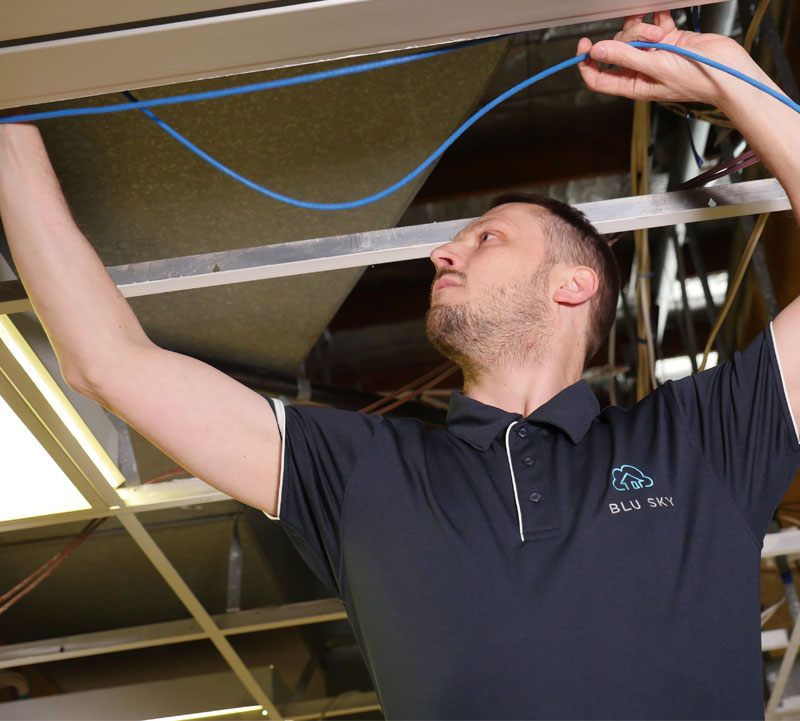
A video doorbell can boost home security, but successful installation and setup are crucial. Key considerations include installation methods, strategic placement, and the choice between wireless or wired systems.
DIY versus Professional Installation
- DIY Installation: Many video doorbells are designed for easy DIY installation. Basic tools such as a screwdriver are often all that’s needed. It’s important to follow the manufacturer’s instructions closely. For most, this process is straightforward and can be completed in about an hour.
- Professional Installation: Some homeowners prefer professional installation for peace of mind. This option can be particularly appealing for those unfamiliar with electrical systems or those who want to ensure optimal performance and ongoing support. Professional installation might also be necessary for more complex or integrated systems.
- Considerations: Each installation method has its pros and cons. DIY offers cost savings and the satisfaction of completing the task oneself, while professional installation provides expertise and support. Choosing between the two often depends on personal preference and technical ability.
Placement and Angle
- Choosing the Right Spot: Placement is crucial for the effectiveness of a video doorbell. Ideally, it should cover the main entry point and other critical areas to give a clear view of visitors.
- Correct Angling: The angle should be adjusted to minimise blind spots and capture visitors’ faces clearly. It’s vital to avoid pointing the camera directly at the sun or any harsh lighting, as this can create glare and reduce image quality.
- WiFi Signal Strength: Most video doorbells rely on using your home WiFi connection. Ensuring the video doorbell is within a strong Wi-Fi signal at the doorbell installation position is critical. To test, connect your smartphone to your home WiFi and run an internet speed test a the doorbell installation position to verify you get sufficient download and upload speed to support the doorbell. An upload speed of at least 2Mbps is required.
- Factors to Consider: When deciding on placement, think about the area’s layout, any obstacles like walls or furniture, and whether a high or low angle provides the best visibility.
Wireless versus Wired Systems
- Wireless Systems: These are easier to install since they don’t require complex wiring. They rely on batteries, so regular charging or battery replacement is necessary. They are flexible in placement and can be ideal for renters.
- Wired Systems: Wired systems are connected directly to the home’s power supply, offering a more stable power source. There’s no need to worry about battery life, but installation can be more complex, potentially involving drilling and rewiring.
- Deciding Factors: The choice between wireless and wired mainly depends on the building type, convenience, and the specific needs of the home. While wireless systems offer ease of installation, wired systems provide consistent power, more reliability, and possibly more features.
Privacy and Legal Considerations
When using video doorbells, it’s crucial to consider data security, laws about surveillance, and neighbourhood etiquette. People need to be aware of how their video data is handled, legal requirements around recording others, and how these devices affect those living nearby.
Data Security
Video doorbells often collect personal data, like video and audio recordings. Users must ensure this data is protected to prevent unauthorised access. Many brands provide encryption and other security measures. Users should use strong passwords and update software regularly.
Another consideration is the storage of video data. Footage may be stored locally or on the cloud. While cloud storage offers easy access, it also requires trust in the manufacturer’s security practices. Consumers should thoroughly research the privacy policies and track record of the service provider.
Surveillance Laws
In Australia, recording someone without their consent can have legal consequences. The laws vary between states, but generally, it is illegal to record private activities without permission. It’s crucial for users to be aware of these rules to avoid legal trouble.
Most regions require that video doorbell cameras only capture the owner’s property. Residents should adjust their camera angles accordingly.
Deploying signs to indicate surveillance can also be a requirement. These signs inform visitors and neighbours that they are being recorded, helping to maintain transparency.
Neighbourhood Etiquette
Installing video doorbells also comes with social responsibilities. These devices can sometimes unintentionally film neighbours or people passing by. To maintain good relationships, it’s polite to limit the camera’s field of view to avoid filming others’ property.
Communicating openly with neighbours about these devices can help ease any concerns they may have. It’s important to respect their comfort and privacy.
Choosing the Right Video Doorbell
When selecting a video doorbell, consider factors like camera features, battery and power options, compatibility with smart home devices, and costs. These elements influence both performance and user experience.
Camera Quality and Specifications
Camera quality is crucial. Look for a wide field of view to capture more area. A resolution of at least 1080p (Full HD) delivers clear images. Night vision is important for low-light conditions, ensuring visibility even in the dark. Note, the higher resolution, the better quality the WiFi signal and internet connection needs to be to maintain a smooth real-time video call.
2-way Audio Quality and noise-cancellation technology is important for clear communication between both ends of the call, particularly when there is high background noise when the doorbell is installed near a busy street.
High Dynamic Range (HDR) helps balance lighting, preventing overly bright or dark images.
Motion Detection Zones allow zones and alerts allow users to focus on critical areas, enhancing reliability and reducing false alarms.
Outdoor and temperature rating suitable for the harsh Australian outdoor weather conditions for longevity.
Outdoor weather resistance rating is important ensure the doorbell can withstand the harsh Australian weather. Choosing a doorbell with IP65 or better rating, and wide temperature operating specification allows it to be resistant to rain and extreme temperatures. This durability ensures reliable performance throughout the year, regardless of location.
Battery Life and Power Options
Battery life varies among models. Some offer rechargeable batteries designed to last several months on a single charge, while others require more frequent recharging. If changing batteries often is inconvenient, consider a wired option.
Wired video doorbells connect directly to a home’s electrical system, eliminating the need for charging. However, this may require professional installation. Solar-powered models collect energy from sunlight, offering an eco-friendly alternative. It’s essential to evaluate the power options available to ensure the chosen model fits the user’s needs.
Budget and Ongoing Costs
Initial cost is just one part of the financial picture. Prices vary, so setting a budget helps narrow choices. Subscription services for ongoing support, software/security updates, storing and reviewing footage are common, with options for monthly service fees. Consider the cost of these plans since they can add to the long-term expense.
Some video doorbells have local storage, reducing ongoing costs but limiting recording capacity compared to cloud storage and vulnerable if the doorbell is stollen. It’s important to evaluate these factors in line with budgetary constraints and security needs, ensuring a balance between cost, functionality and ongoing support.
Future Trends in Video Doorbell Technology
Improved AI Features
Video doorbells are becoming smarter with advanced AI. They can now recognise specific objects and people. This helps reduce false alarms caused by animals or passing cars. As AI continues to improve, expect even more precise notifications. AI can also predict when a known guest or family member might approach the door.
Integration with Smart Home Devices
Video doorbells are increasingly integrated with other smart home devices. They might sync with smart lights, locks, and alarms. This creates a seamless home security network. Homeowners can control these functions from a single app, making it more user-friendly.
Battery Life and Efficiency
Many new models focus on longer battery life. They’re using energy-efficient components. Some use solar panels for charging. This is especially handy in remote areas without easy access to power outlets. A longer lifespan means less frequent charging.
Enhanced WiFi, Video and Audio Quality
Newer video doorbells have faster onboard processors, and use the latest WiFi technology to ensure high quality and faster speeds. These helps improve the higher video resolutions, frame rates and image quality. 4K video doorbells are becoming available. They offer much clearer images, crucial for identifying visitors. Audio quality is also improving. Advanced microphones help capture clear sound, even in noisy environments.
Privacy and Security Focus
Privacy is a major trend particularly with new Australian cyber security regulations. Video doorbells now offer end-to-end encryption. This ensures footage is safe from hackers. Some models provide local storage options instead of cloud-based storage. Users have more control over who sees their footage.
Conclusion
In conclusion, video doorbells have revolutionised modern home security by providing an effective and convenient way to monitor and protect our homes. These devices offer real-time video feeds, motion detection, and two-way communication, allowing homeowners to stay connected and in control, whether they are at home or away. As technology continues to advance, the role of video doorbells in home security will only become more integral, offering peace of mind and enhanced safety for families everywhere.
If you’re interested in learning more about how video doorbells can enhance your home security, Blu Sky Security in Adelaide, South Australia, is here to help. Our knowledgeable team can provide you with all the information you need and offer a personalised quote. Simply give us a call on (08) 7123 4177 or reach out online via our contact us form.