
Home security is a top concern for many Australians. Alarm systems help protect homes from break-ins and give peace of mind. But choosing between professional installation and do-it-yourself options can be tricky.
Professional alarm installation offers expert setup and support. Trained technicians handle the entire process, ensuring proper placement and functionality. Professional installers often provide ongoing maintenance and monitoring services, which can be valuable for homeowners seeking comprehensive security solutions.
DIY alarm systems have become more popular in recent years. These kits allow people to set up their own security systems without hiring a professional. DIY options are often cheaper and give homeowners more control over their setup. But they require time and skill to install correctly.
Contents
- 1 Defining Professional Alarm Installation
- 2 Exploring DIY Alarm Solutions
- 3 Comparing Costs and Investments
- 4 Evaluating System Reliability and Performance
- 5 Assessing Support and Maintenance
- 6 Home Insurance Impacts
- 7 Technology and Smart Home Integration
- 8 Legal and Warranty Considerations
- 9 Making the Right Choice for Your Home
Defining Professional Alarm Installation
Professional alarm installation involves trained experts setting up security systems in homes and businesses. These specialists use their skills and experience to create custom solutions tailored to each property’s needs.
Benefits of Professional Services
Professional installers bring deep knowledge of alarm systems and security best practices. They can assess a property’s weak points and recommend the right equipment. This ensures the system provides maximum protection.
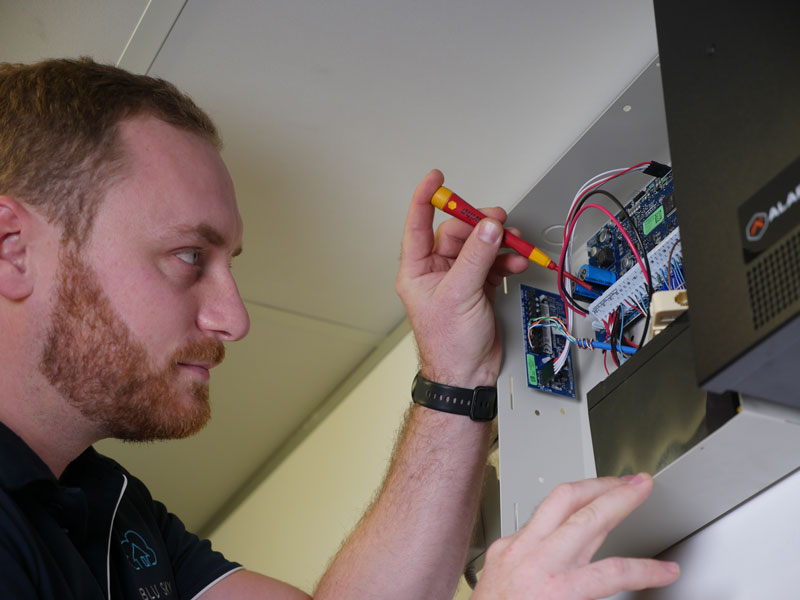
Licenced and experienced security technicans handle all aspects of installation. They mount sensors, run wires, program control panels and provide training. This saves homeowners time and hassle. It also reduces the risk of mistakes that could leave gaps in security.
Many companies offer ongoing support after installation. They can troubleshoot issues, perform maintenance, and update systems as needed. Some even provide 24/7 monitoring services for extra peace of mind.
Understanding the Installation Process
The installation process starts with a thorough site survey. Sales technicians walk through the property and chat with owners about their concerns. They then create a custom security plan.
On installation day, the team arrives with all needed equipment. They place sensors across the property and perimeter e.g. doors, windows, and other key spots such as sheds and garage. The main control panel is installation in a strategic and servicable location. The technicians program and test everything to make sure it works properly.
The final step is training the owners. Installers show how to arm and disarm the system, use any apps, and respond to alarms. They answer questions and make sure everyone feels comfortable with the new setup.
Exploring DIY Alarm Solutions
DIY alarm systems offer a budget-friendly way to secure homes. These kits let people set up their own security without pro help. They have pros and cons to think about.
What Are DIY Alarm Systems?
DIY alarm systems are security kits you can install on your own. They come with sensors or cameras and a control panel. Most use wireless technology to connect parts. You can buy them online or at a retail store such as Bunnings, Office works, JB-HiFi or Harvey Norman.
These systems often work with mobile apps. This lets you check your home from anywhere. Some have pro monitoring as an add-on. Others rely on you to call for help if needed.
Common features include:
- Door and window sensors
- Motion detectors
- Cameras
- Smart locks
Pros and Cons of DIY Installations
DIY alarms have both good and not-so-good points.
Pros:
- Lower upfront costs over professional setups
- No installation costs
- Product purchased through known retail stores / online
Cons:
- You must set it up right for it to work well
- You’re on your own if things go wrong
- Can be more basic than professional systems
- Lifetime of product is short, may be difficult to get repair parts in future
- Might miss spots a pro would catch
Comparing Costs and Investments
Alarm system costs vary greatly between professional and DIY options. The initial outlay and long-term value differ based on factors like equipment, monitoring, and maintenance.
Initial Costs of Professional vs. DIY
Professional alarm installations often have higher upfront costs. A professional system can cost $1000 to $4,000 for equipment and installation. More advanced setups can reach $6,000 or more.
DIY systems typically have lower initial costs. Basic kits start around $400. These usually include a control panel, and a couple of detectors.
Professional installations can include professional monitoring contracts. These can include monthly monitoring fees of $40 to $60. DIY systems often offer basic self-monitoring at often similar rates.
Some professionals offer low cost equipment with longer-term contracts. This can lower upfront costs but increase long-term spending.
Long-Term Value Analysis
Over time, DIY systems can appear more cost-effective since they don’t have installation fees.
Professional systems may offer better long-term value through:
- Regular maintenance
- More reliable protection
- Software updates
- Technical support
DIY systems might need more frequent replacements. Users are responsible for all repairs and updates.
Professional systems usually last longer, and are more reliable. DIY manufacturers continuously release new versions of products which may not be compatible with previous versions, and it may be difficult to get repair parts, or updates for previous models, meaning DIY installations typically need all components replaced / start again more frequently than professional systems.
Professional systems can connect to professional monitoring services, which can enable discounts on insurance premiums. These savings can offset the monthly fees.
Evaluating System Reliability and Performance
Alarm system reliability and performance can vary between professional installations and DIY solutions. Both options have distinct characteristics that impact their effectiveness and dependability.
Reliability of Professional Installations
Professional alarm installations often use high-quality components and advanced technology. These systems undergo thorough testing and calibration by trained technicians. This helps reduce false alarms and ensures proper function.
Professional setups typically include backup power sources. This keeps the system running during blackouts. Many professional systems also have 4G / 5G mobile cellular backup for communication if phone lines fail.
Regular maintenance by experts helps catch and fix issues early. This prevents system failures and keeps everything working smoothly. Professional alarm monitoring centres provide 24/7 supervision for quick responses to alarms and alerts.
Performance of DIY Solutions
DIY alarm systems can offer good performance when installed correctly. Many modern DIY kits use wireless technology, making setup easier. These systems often connect to smartphones for remote control and alerts.
Some DIY options now include professional features such as motion sensors, door/window contacts, and video cameras. But the quality can vary between brands and models.
DIY systems may lack some advanced features of professional setups. This could include things like outdoor sensors, perimeter-arming, automation or smoke alarms.
The reliability of DIY systems depends heavily on proper installation and maintenance by the homeowner.
Self-monitoring is common with DIY alarms. This means the user must respond to alerts themselves. It can be less reliable than professional monitoring services that operate 24/7.
Assessing Support and Maintenance
Support and maintenance are key factors to consider when choosing between professional and DIY alarm systems. These aspects impact the long-term reliability and performance of your security setup.
Professional Maintenance Services
Professional alarm companies offer ongoing support and maintenance as part of their service packages. They typically provide 24/7 customer support to address any issues or concerns. Technicians can remotely diagnose many problems and guide users through simple fixes over the phone.
For more complex issues, companies send licenced technicians to perform on-site repairs. These experts have specialised tools and access to manufacturer replacement parts. They can also update system software and firmware to patch vulnerabilities and add new features.
Regular maintenance checks are often included in service contracts. Technicians inspect equipment, test sensors, and replace batteries to keep systems running smoothly. This proactive approach helps prevent failures and false alarms.
Self-Maintenance of DIY Systems

DIY alarm systems require owners to handle maintenance tasks themselves. Users must stay on top of battery replacements, software updates, and equipment checks. Many DIY systems send smartphone alerts when batteries are low or devices need attention.
Troubleshooting issues can be challenging for non-experts. Online forums and video tutorials can help, but complex problems may stump DIY users. Some manufacturers offer phone or chat support, but service quality varies.
Replacing faulty components is the owner’s responsibility. This can mean ordering parts and installing them, which may be tricky for those without technical skills. Software updates are usually simple, but firmware upgrades can be more complex.
Regular testing of sensors and alarms is crucial for DIY systems. Owners should check their equipment monthly to ensure everything works properly. This helps catch issues early before they compromise security.
Home Insurance Impacts
The type of alarm system in your home can affect your insurance premiums and coverage. Professional and DIY systems have different impacts on policies.
Insurance Discounts for Professional Systems
Many insurers offer discounts for homes with professionally installed alarm systems. These systems are seen as more reliable and effective at preventing break-ins. Discounts typically range from 5% to 20% off premiums.
Insurance companies often prefer systems with 24/7 monitoring. This ensures a quick response to emergencies. Some insurers require proof of professional installation to qualify for discounts.
The level of discount may depend on the system’s features. Advanced systems with smoke detectors, water sensors, and cameras can lead to bigger savings. It’s wise to check with your insurer about approved systems and discount rates.
DIY Systems and Insurance Policies
DIY alarm systems may still qualify for insurance discounts. The quality and capabilities of DIY systems can vary widely. Basic systems may not meet insurer standards for discounts and if not performing adequately may also violate the insurance policy of the claimed discount.
It’s crucial to inform your insurer about any DIY system you install. Some policies require disclosure of security measures. Failure to do so could affect claim payouts if a break-in occurs.
Check your policy details or speak with your insurance agent about DIY systems. They can advise on how your chosen system might impact your coverage and premiums.
Technology and Smart Home Integration

Alarm systems now connect with smart home devices for expanded capabilities. This integration allows for remote control and automation of security features alongside other home systems.
Advanced Features in Professional Systems
Professional alarm installations often include cutting-edge technology. Many systems offer mobile apps for remote arming and disarming. Users can check camera feeds and receive alerts on their phones. Some setups allow voice control through smart speakers.
Professional systems may also integrate with smart locks and doorbells. This lets users grant access to visitors remotely. Automated routines can turn on lights when the alarm is triggered. Some systems learn household patterns to improve security.
Smart Video Analytics and AI-powered cameras that can reliably detect humans, vehicles and animals in the footage are now available. These can also distinguish between family members, familiar vehicles and strangers. Professional installers ensure all these features work together smoothly.
Smart Home Capabilities
DIY alarm kits are catching up with professional systems in smart features. Many now work with popular smart home platforms such as Google Home, and Apple HomeKit. Users can create automation routines with other connected devices.
Some kits include smart plugs to control lights and appliances. This adds a layer of security through simulated occupancy.
While DIY options have improved, they may lack some advanced integrations. Users need to ensure compatibility when choosing components.
Legal and Warranty Considerations
When choosing between professional alarm installation and DIY solutions, it’s crucial to understand the legal and warranty aspects. These factors can impact your rights and protection as a consumer.
Warranties for Professional Alarm Systems
Professional alarm systems often come with strong warranties. These warranties can cover parts and labour. Many companies offer extended warranty options for added peace of mind.
Some warranties include free repairs or replacements if the system fails. Regular maintenance might be part of the package. This can help keep the system running smoothly.
Professional installers may provide 24/7 support. This can be valuable if you have issues or questions about your system. Some warranties also cover false alarm fines in certain cases.
It’s important to read the fine print. Warranty terms can vary between companies. Make sure you know what’s covered and for how long.
Legalities and DIY Warranties
DIY alarm systems have different legal and warranty considerations. These systems often come with limited manufacturer warranties. They might only cover defects in materials or workmanship.
DIY warranties are typically shorter than professional ones. They may not include installation errors or user mistakes. Support options might be limited to phone or online help.
Some areas have laws about alarm system installation. DIY installers need to check local regulations. Improper installation could lead to fines or legal issues.
Insurance companies may have specific requirements for alarm systems. DIY setups might not meet these standards. This could affect your insurance coverage or premiums.
It’s wise to research warranty options for DIY systems. Some companies offer paid warranty extensions. These can provide extra protection for your investment.
Making the Right Choice for Your Home
Choosing the right alarm system involves carefully weighing up your security needs and budget. Getting expert advice can help you make an informed decision.
Assessing Your Security Needs
Start by looking at your home’s layout and potential weak spots. Think about your daily routines and any valuables you want to protect.
Make a list of must-have features for your alarm system. This might include:
- Motion sensors
- Door and window sensors
- Security cameras
- Smoke detectors
- Smart Lighting / Doors / Garage integration
- Mobile app control
Consider your budget and ongoing costs like monitoring fees. DIY systems often have lower upfront costs but may lack professional support.
Seeking Professional Advice
A security expert can give tailored recommendations for your home. They’ll assess your property and suggest the best alarm placement.
Book a consultation with a local security company. Ask about:
- System options suited to your needs
- Installation process and timeframes
- Ongoing support and maintenance
- Monitoring services and costs
- Warranty and insurance benefits
Compare quotes from different providers. Make sure you understand what’s included in each package. Don’t be afraid to ask questions about anything you’re unsure about.
If you’re ready to take the next step in protecting your Adelaide home, we’re here to help.
At Blu Sky Security, we offer free consultations to discuss your home’s unique security needs. Our experienced team is always happy to answer your questions and provide expert advice on home security solutions. Learn more about our alarm installation services or book a no-obligation assessment by calling us: (08) 7123 4177 or sending us an email.