

Protecting your business premises is one of the most critical investments you’ll make as a business owner. Yet many Adelaide businesses operate with security gaps they’re completely unaware of, vulnerabilities that could lead to theft, property damage, or worse, harm to staff members.
A comprehensive commercial security audit helps you identify these weak points before they’re exploited. Whether you’re running a retail shop in a shopping centre, managing a warehouse in the Northern Suburbs, or operating a corporate office in the Adelaide CBD, understanding your security vulnerabilities is the first step towards creating a safer business environment.
This guide will walk you through conducting a thorough security audit of your Adelaide business premises, helping you identify risks, evaluate existing measures, and develop a strategic security improvement plan.
Contents
- 1 Why Conduct a Commercial Security Audit?
- 2 Step 1: Map Your Physical Premises and Entry Points
- 3 Step 2: Assess Current Security Measures and Technology
- 4 Step 3: Evaluate After-Hours Protection Needs
- 5 Step 4: Review Staff Access Management
- 6 Step 5: Identify Industry-Specific Compliance Requirements
- 7 Step 6: Assess Environmental and Operational Risks
- 8 Step 7: Document Security Gaps and Vulnerabilities
- 9 Step 8: Create a Prioritised Security Improvement Plan
- 10 Step 9: When to Call in Professional Security Consultants
- 11 Taking Action After Your Security Audit
- 12 Get Expert Help With Your Security Audit
Why Conduct a Commercial Security Audit?
Before diving into the how-to, it’s worth understanding why security audits matter for Adelaide businesses. Australian crime statistics and police reports show that commercial premises are frequent targets of after-hours break-ins and property crime, with unoccupied business locations being particularly vulnerable to opportunistic theft and vandalism.
Beyond preventing theft, a proper security audit helps you:
- Reduce insurance premiums through documented security measures
- Meet industry compliance requirements and workplace safety obligations
- Protect staff members from potential harm
- Safeguard confidential business information and intellectual property
- Create accountability through access control and monitoring
- Identify cost-effective security improvements that deliver genuine protection
- Minimise financial and operational loss in the event of an incident.
Now, let’s examine how to conduct your audit systematically.
Step 1: Map Your Physical Premises and Entry Points
Start by creating a detailed floor plan or site map of your business premises. If you have existing architectural drawings, use these as your foundation. Otherwise, sketch out the layout, noting all:
External entry points:
- Main entrance doors
- Staff and delivery entrances
- Emergency exits
- Loading docks
- Windows (ground floor and accessible upper floors)
- Roof access points
- Adjoining walls shared with other tenants
Internal vulnerable areas:
- Server rooms and IT infrastructure
- Cash handling areas and safes
- Inventory and asset storage locations
- Confidential document storage
- Staff amenity areas
- Stairwells and corridors
Walk your premises during both business hours and after closing time. Security vulnerabilities often look quite different when the building is empty. That dimly lit rear entrance might seem fine during the day but becomes a significant risk after dark.
Pay particular attention to:
- Poorly lit areas around your building perimeter
- Entry points obscured from street view
- Weak or damaged doors and windows
- Areas with heavy foot traffic that could mask unauthorised access
- Blind spots where intruders could work unobserved
Step 2: Assess Current Security Measures and Technology
Now evaluate what security measures you currently have in place. Be honest about their effectiveness, a security system that doesn’t work properly provides a false sense of protection.
Physical security:
- Door and window locks: Are they commercial grade? When were they last replaced?
- Security screens or grilles: Are they properly installed and maintained?
- Fencing and gates: Are there gaps or damage that compromise perimeter security?
- Lighting: Is exterior lighting adequate to deter intruders and aid CCTV coverage?
Electronic security:
- Alarm systems: When was your system installed? Does it have modern features like smartphone alerts and remote arming?
- Security cameras: Do they cover all critical areas? Are recordings stored securely? How long is footage retained?
- Access control: Are you still using physical keys, or have you upgraded to card or biometric systems?
- Monitoring services: Is your alarm monitored 24/7 by a professional control room?
If you have existing commercial security systems, evaluate whether they’re integrated or operating as standalone solutions. Integrated systems that connect alarm systems, CCTV, and access control provide far more comprehensive protection and easier management.
Common security system weaknesses to identify:
- Cameras with poor night vision or low resolution
- Alarm systems that trigger frequent false alarms (reducing response urgency)
- Blind spots in camera coverage
- Inadequate backup power for security systems
- Systems that can’t be monitored remotely
- Outdated technology without integration capabilities
Step 3: Evaluate After-Hours Protection Needs
For most Adelaide businesses, the highest risk period is after closing time when premises are unoccupied. Your security audit must specifically address after-hours vulnerabilities.
Consider these factors:
Visibility from the street: Can passersby or police patrols see your premises clearly? Buildings hidden from view are more attractive targets.
Neighbouring activity: Do surrounding businesses operate during your closed hours? Empty commercial areas at night provide cover for intruders.
Deterrent signage: Are security system warnings clearly visible? While you shouldn’t rely solely on signage, prominent alarm and CCTV notices can deter opportunistic crime.
Response protocols: If your alarm activates after hours, what happens? Do you have 24/7 alarm monitoring with immediate response, or just a siren that may go unnoticed?
Valuable assets left on premises: What inventory, equipment, or data remains in your building overnight? High-value items require additional protection such as safes, cages, or dedicated secure storage areas.
For businesses in sectors like retail or warehouse operations, after-hours security is particularly critical due to valuable inventory and equipment stored on-site.
Step 4: Review Staff Access Management

Unauthorised access doesn’t always come from external intruders. Your audit should examine how you control and track staff movement throughout your premises.
Key questions to address:
- Who currently has keys or access cards? Have all of these been accounted for?
- Have you retrieved access credentials from former employees?
- Can you track who enters your building and when?
- Are there areas where only certain staff members should have access?
- Do contractors or cleaners have unsupervised access to sensitive areas?
- How do you manage access for temporary staff or contractors?
Traditional key-based systems create significant vulnerabilities. Lost keys, unreturned keys from former employees, and the inability to track who accesses your building all present serious security risks.
Modern access control systems resolve these issues by:
- Allowing you to instantly deactivate credentials for departed employees
- Providing complete audit trails of who accessed which doors and when
- Enabling time-based restrictions (e.g., cleaners can only access between 6-8pm)
- Sending alerts when sensitive areas are accessed outside normal hours
- Eliminating the cost and security risk of rekeying locks when keys go missing
Step 5: Identify Industry-Specific Compliance Requirements
Different industries face unique security compliance obligations under Australian law and industry standards. Your security audit must account for these regulatory requirements and best practices.
Retail & Hospitality businesses:
- Work health and safety requirements for cash handling procedures
- Shrinkage reduction
- Protection of staff during robbery attempts through panic alarm systems
- After hours security and asset protection
Office buildings and corporate environments:
- Electronic Access Control for staff management
- Protection of confidential client information
- Intellectual property safeguards
- Server room access restrictions
- CCTV and out-of-hours monitoring
Warehousing and logistics:
- Insurance requirements that may mandate specific security measures for high-value inventory protection
- After-hours perimeter security and monitoring requirements
- Vehicle and pedestrian access management
- Staff and visitor management
Construction sites:
- Tool and equipment theft prevention
- Unauthorised access prevention for WHS compliance
- Protection of building materials
Healthcare facilities:
- Intrusion alarm system, safeguarding drugs and money
- Duress alarm systems for staff protection
- CCTV in common areas whilst respecting patient privacy
- Temperature monitoring for vaccine fridges
Step 6: Assess Environmental and Operational Risks
Security isn’t only about preventing intrusion. Your audit should also consider environmental threats that could damage your business.
Environmental monitoring needs:
- Smoke/fire detection systems
- Temperature monitoring for temperature-sensitive inventory (e.g. food or vaccine fridges)
- Power failure alerts for critical systems
Additionally, consider operational security:
- Cybersecurity for networked security systems
- Backup power for security equipment during outages
- Data backup and storage security
- Communication system redundancy to ensure alarms can still be sent if primary networks fail
Step 7: Document Security Gaps and Vulnerabilities
As you work through your audit, maintain detailed documentation of every vulnerability discovered. Don’t just note the problem, record the potential consequences and impact on your business.
Effective documentation should include:
- Specific location of the vulnerability
- Type of risk (theft, unauthorised access, data breach, staff safety, etc.)
- Potential business impact (financial loss, legal liability, reputational damage)
- Current mitigation measures (if any)
- Photographs or diagrams where helpful
This documentation serves multiple purposes: guiding your improvement plan, supporting insurance claims if needed, and demonstrating due diligence for legal compliance.
Step 8: Create a Prioritised Security Improvement Plan
With vulnerabilities identified and documented, develop a strategic improvement plan. Not every security gap needs addressing simultaneously, prioritise based on risk level and available budget.
Priority 1 – Critical vulnerabilities (address immediately):
- Security risks that could result in serious harm to staff
- Compliance violations that could result in penalties
- Vulnerabilities that provide easy access to high-value assets
- Failed or non-functional security equipment
Priority 2 – Significant vulnerabilities:
- Areas with inadequate monitoring or alarm coverage
- Outdated technology that lacks remote access and integration
- Access control weaknesses allowing unauthorised building entry
- Environmental risks that could damage inventory or equipment
Priority 3 – Ongoing improvements (address within 12 months):
- Enhanced coverage in low-risk areas
- Technology upgrades for improved functionality
- System integration for easier management
- Aesthetic improvements to security equipment
Budget considerations:
Security improvements don’t need to be completed in a single installation. Many Adelaide businesses implement staged improvements, starting with the highest-risk areas and expanding coverage over time.
Consider:
- Which improvements provide the greatest risk reduction for the investment?
- Check whether any local council or government grants or incentives are available for safety or security upgrades in your sector
- Will enhanced security reduce insurance premiums enough to offset costs?
- What financing options are available for larger security projects?
Step 9: When to Call in Professional Security Consultants
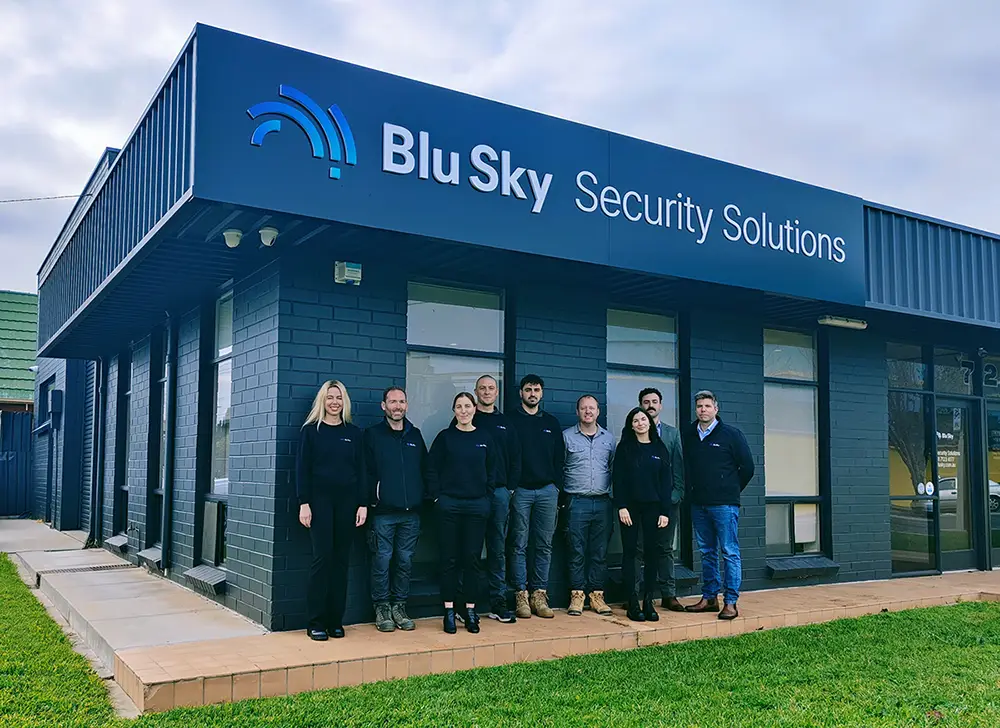
While business owners can identify obvious security gaps, professional security consultants bring valuable expertise to the audit process.
Consider engaging professionals when:
- Your business operates across multiple sites requiring consistent security standards
- You’re uncertain which security technologies best suit your specific needs
- Compliance requirements are complex or highly regulated
- Your business has experienced security incidents and needs comprehensive risk assessment
- You’re designing security for a new or renovated facility
- Existing security systems are outdated and need complete replacement
- You need integration between multiple security technologies
Professional security companies like Blu Sky Security provide free security assessments, offering expert insights into vulnerabilities you might overlook. They can also design integrated security solutions that work together seamlessly, rather than piecing together incompatible systems.
Experienced consultants understand local crime patterns and regulatory requirements, and can recommend solutions proven effective in South Australian conditions.
Taking Action After Your Security Audit
Completing a security audit is only valuable if you act on the findings. Even small improvements: better lighting, upgraded locks, or installing monitored alarms in high-risk areas significantly reduce your vulnerability.
Remember that security technology evolves rapidly. What represented best practice five years ago may now be outdated. Modern commercial security systems offer smartphone control, advanced video analytics, integration with access control, and professional monitoring services that weren’t available or affordable for most businesses even a few years ago.
Regular security audits performed ideally annually ensure your protection keeps pace with evolving threats and business changes. As your business grows, relocates, or changes operations, your security requirements will change as well.
Get Expert Help With Your Security Audit
If conducting a comprehensive security audit feels overwhelming, or you’ve identified vulnerabilities but aren’t sure of the best solutions, professional help is available.
BluSky Security Systems has been protecting Adelaide businesses since 2015, with thousands of installations across Adelaide. Our team provides complimentary security consultations and detailed risk assessments, helping you identify vulnerabilities and design cost-effective solutions tailored to your specific business needs.
Whether you need comprehensive security for a multi-site operation or targeted improvements for a single location, we’ll work with you to create protection that fits your business and budget.
Ready to secure your Adelaide business? Call (08) 7123 4177 for a free security consultation, or contact us online to schedule your professional security audit.